


- Why Walking in Heels Feels Difficult
- Step 1: Choosing the Right Heels
- Step 2: How To Make Heels More Comfortable Before You Wear Them
- Step 3: How To Walk In Heels The Right (& Easy) Way
- Common Mistakes to Avoid
- How to Ease Foot Pain Caused by High Heels
- Frequently Asked Questions About Wearing Heels
How To Walk In Heels
Published on 21/04/2026If you want to walk comfortably and confidently in heels, this guide is for you. Walking in heels is not just about putting one foot in front of the other — it requires not just technique and practice, but also a good fit. How you feel and walk in a pair of heels depends on how well they fit you — as an established women’s footwear brand, we understand why choosing the right heels is so important. In this article, we’ll offer practical tips on how to pick out heels with the perfect fit and discuss the things you can do to make wearing heels more comfortable. We will also detail the correct and easy way to walk in heels. We hope that by the end of this guide, you would feel much more confident about walking in heels.
Why Walking in Heels Feels Difficult

If you have difficulty walking in heels, it is not because you are bad at it or that you are not cut out for heels — it is simply because you are not used to wearing heels, so it can feel unfamiliar and unnatural. Heels elevate your feet and shift your weight forward, thus forcing your body to find a new centre of gravity and adapt to a new way of moving. This change in posture places more pressure on the balls of your feet while engaging muscles in your calves, ankles, and core, which are areas that are not typically used when wearing other types of shoes, like flats and sneakers. The good news is that walking in heels is a skill that you can learn. With sufficient practice and the proper techniques, anyone can walk well in heels.
Step 1: Choosing the Right Heels
Heel Height Matters
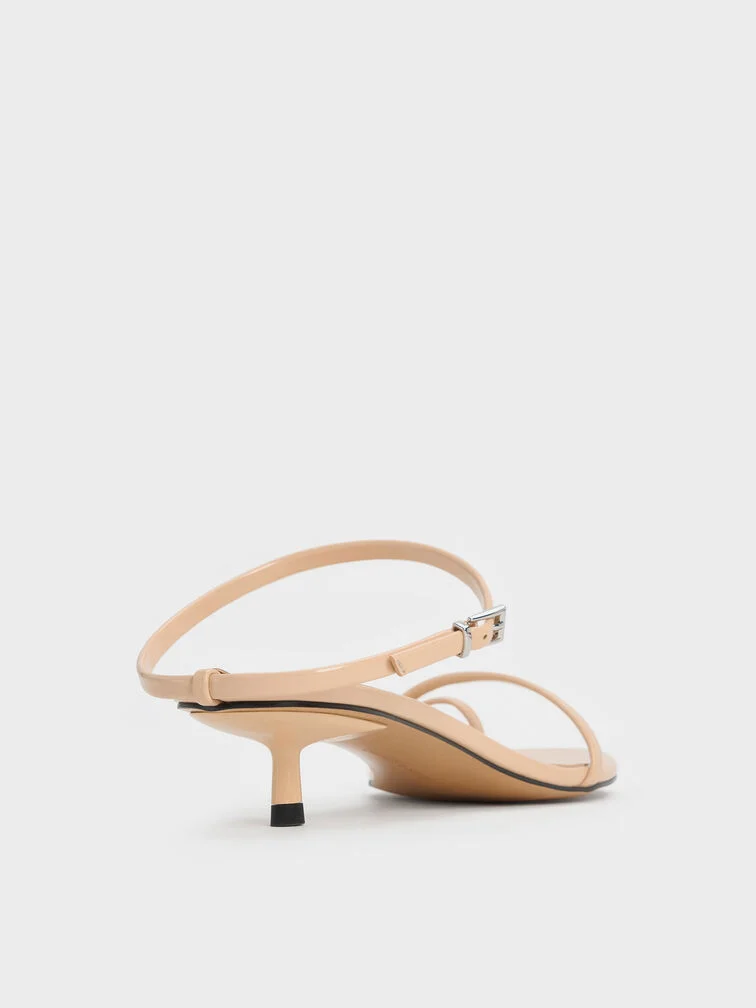
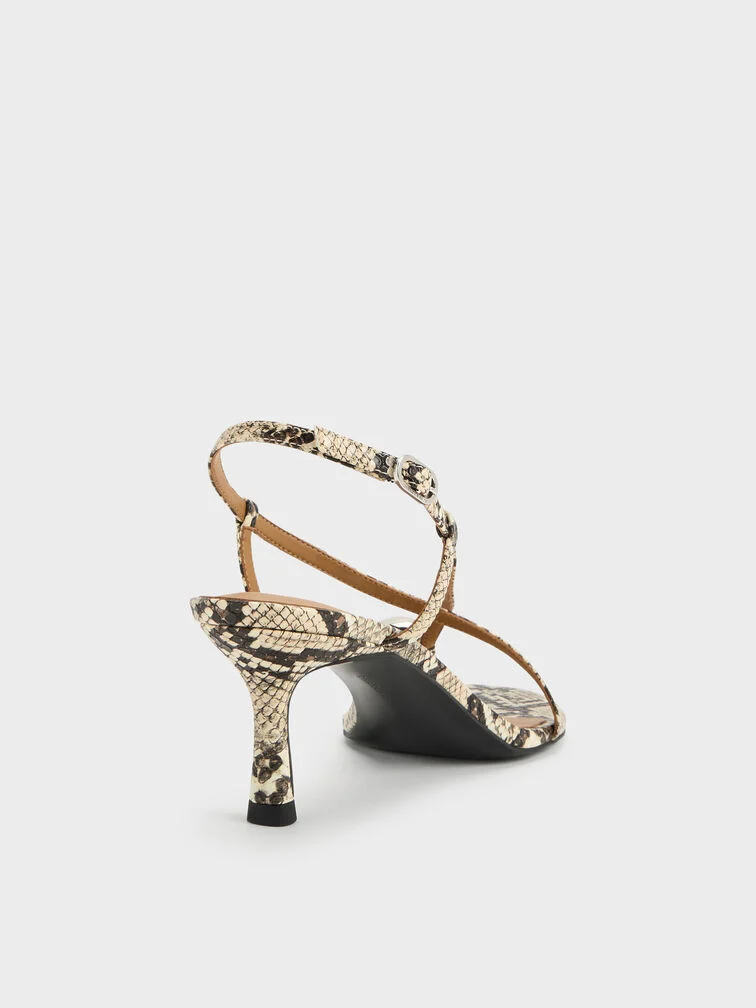

When choosing heels, go for a heel height that feels comfortable to you. If you’re just starting out, begin with low heels, such as kitten heels or block heels (no higher than 5cm). These beginner-friendly options will help you get the hang and feel of wearing heels by allowing you to gradually adjust and refine your posture without placing too much strain on your feet.
As you become more accustomed to wearing heels, you can work your way up to mid-height heels (typically ranging between 5 – 7cm), and eventually to high heels (8cm and above). Always take a slow and steady approach when it comes to advancing to higher heel heights. You want to give your body ample time to adapt and adjust to this new way of walking while strengthening the necessary muscles, including your ankles, calves and core.
TIP
For mid to high heels, opt for styles with adjustable ankle straps or slingback straps. They provide added support, enhance stability and ensure that the shoes will stay securely on your feet.
Heel Type Affects Stability
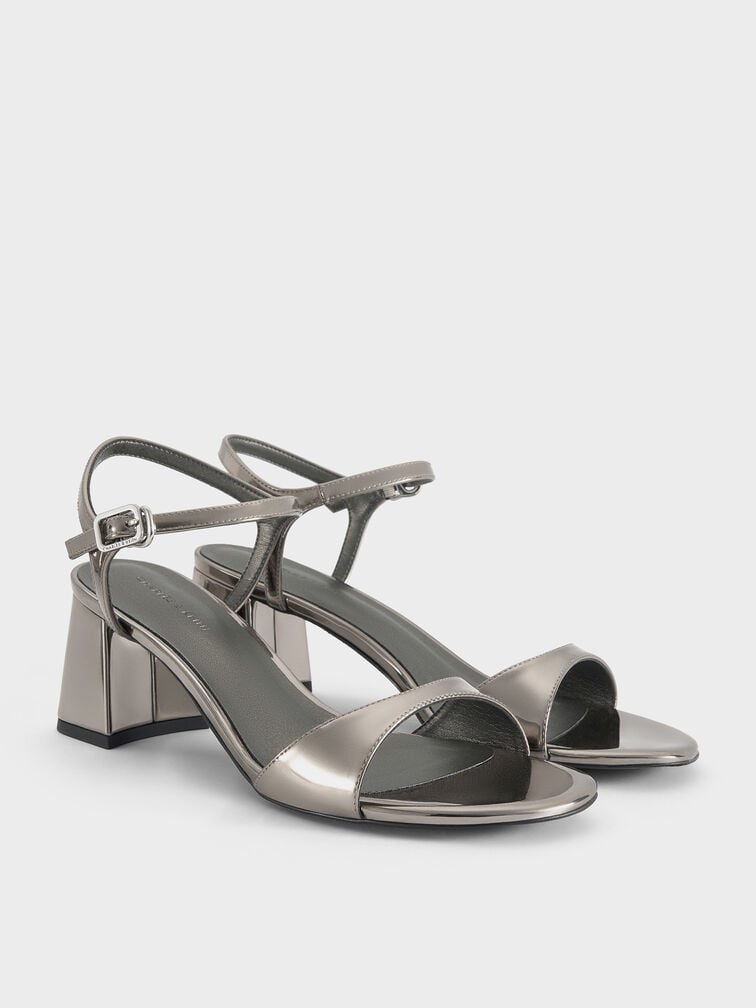

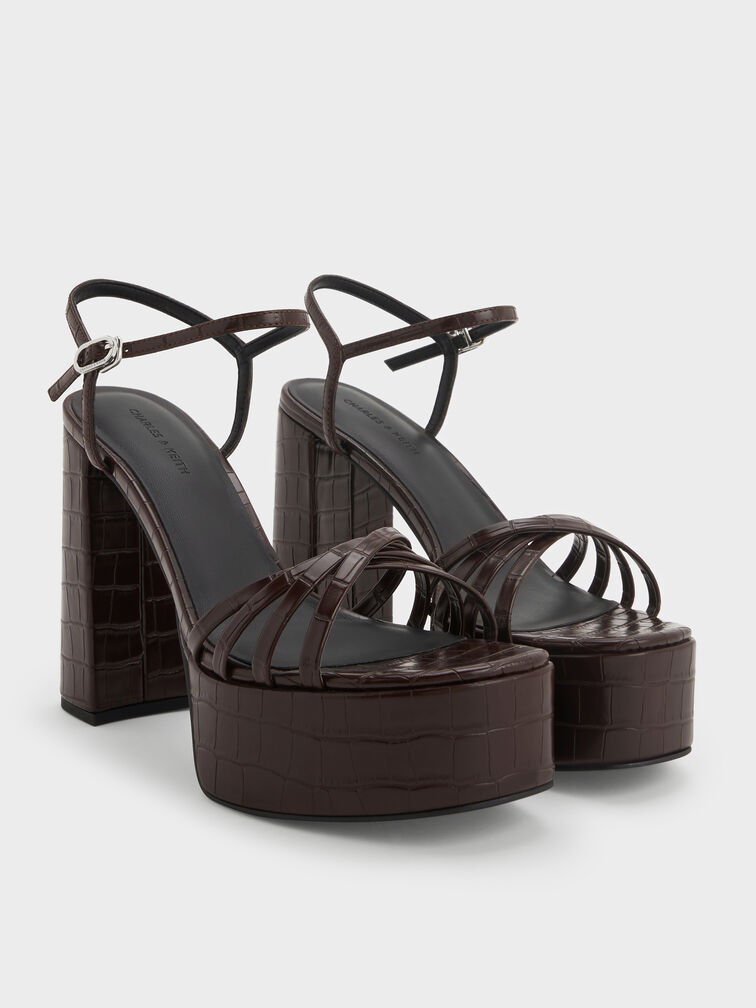

Besides heel height, the type of heel you choose also plays a crucial role in stability. The wider the surface area, the better the weight distribution and the more stable the shoe will be.
- Kitten heels, while slender, are lower to the ground and therefore easier to walk in — they are a practical choice for everyday wear, and for beginners.
- Block heels feature wide bases, so they are more stable to walk in. They distribute weight evenly, reducing pressure on the feet and lowering the risk of strained ankles — they are ideal for beginners.
- Wedge heels feature raised soles extending all the way from the front to the back of the shoes. They offer maximum stability as the weight is distributed evenly across the entire sole. They are especially suitable for those with flat feet as well as those looking to boost height without compromising comfort.
- Platform heels provide a significant height boost without the steep incline of traditional high heels. By reducing the strain on the arches of the feet, they are relatively easier to walk in.
- Stiletto heels have very small bases, so almost all the pressure and weight would be placed on the balls of your feet — they can be very difficult to walk in, especially if you do not know the right way to hold yourself. Stilettos are best suited for experienced heel wearers.
Read our guide for a detailed look at the various types of heels.
TIP
If you prefer slimmer heels, opt for styles like cone or slanted heels. These designs help distribute weight more evenly, reducing pressure on the forefoot and improving overall stability.
Toe Box & Fit
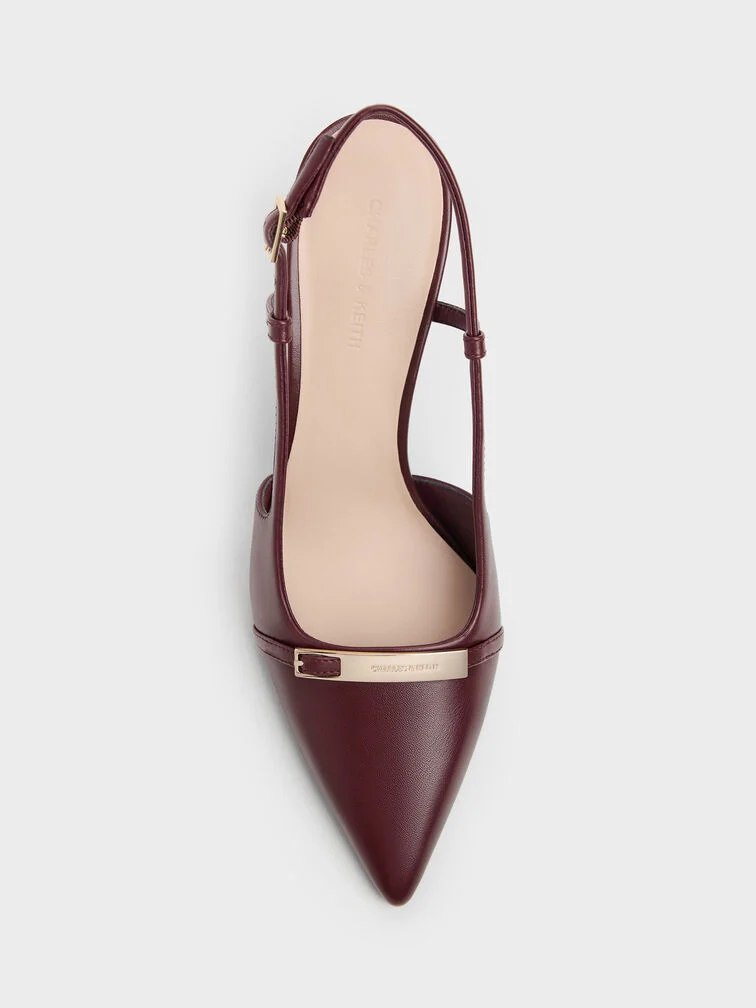
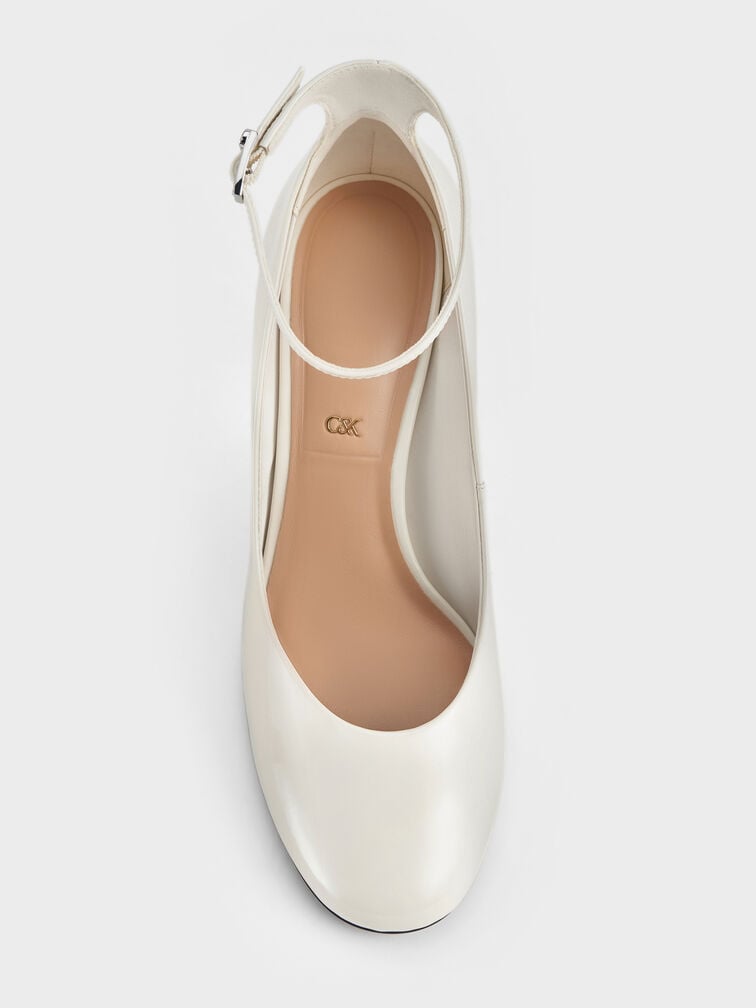


The toe box matters more than you would think in ensuring comfort and stability, particularly when it comes to heeled shoes. Wherever possible, opt for styles with a wider toe box to ensure adequate space for your toes.
- Closed pointed toes, while sleek in appearance, compress your toes into a narrow space with little room to move. Over time, this can cause discomfort and lead to long-term foot issues, such as bunions or hammertoes.
- Round toes are a classic silhouette used commonly in shoes, offering slightly more room than pointed toes.
- Square toes offer even more room, allowing your toes to spread out naturally so you have better balance. They are best suited for people with wide feet.
- Open-toe styles are the most breathable and least constricting — they are especially well-suited for the summer months when feet tend to expand due to the heat and humidity.
Naturally, people with narrow feet would find it easier to wear pointed-toe styles, while people with wide feet will feel more comfortable in shoes with square or open toes. Most importantly, your heels should fit snugly — not too tight or too loose — with just enough wiggle room for your toes to move comfortably. Here are a few questions to ask yourself when you're trying on a pair of heels:
- Do you struggle to put them on?
- Do you experience pinching on the front of the shoe?
- When you stand, do you notice any gaps between your feet and the back of the heels?
- As you walk in them, do the heels slip off easily?
Wearing ill-fitting heels can be detrimental to foot health, leading to a wide range of foot-related problems and injuries, including ingrown toenails, ankle strain and back pain. Choosing a toe box style that does not suit your foot type is a recipe for disaster. If you’re in-between sizes, we recommend sizing up and using cushion inserts and pads to achieve a more secure fit.
TIP
Wherever possible, try the heels in store. This allows you to assess the fit, flexibility and overall comfort of the shoe before committing to it. As your feet tend to expand throughout the day, it is also best to try them on in the afternoons or evenings so you can get a more accurate gauge of their fit.
Comfortable Materials and Insoles
To ensure long-lasting comfort and wearability, invest in heels that are made with quality materials. Whenever possible and desirable, opt for heels made from soft, stretchable or breathable materials, such as leather, suede, mesh and good-quality faux leather. These materials are made to mould to your feet while providing enough wiggle room to accommodate the natural swelling that occurs throughout the day. Soft and supple materials also allow for better expansion of the forefoot without putting too much pressure on delicate tissues. This helps to minimise discomfort, such as tingling, numbness or skin irritation, caused by the constant rubbing of the shoe against the skin. The most comfortable heels are thoughtfully designed shoes that feature contoured insoles and thick cushioned paddings with good sole flexibility.
If you experience a nagging discomfort when wearing your heels, you may want to consider adding foot inserts or heel cushions. We’ll look into the various foot care accessories in greater detail below.
Step 2: How To Make Heels More Comfortable Before You Wear Them
Break In Your Heels at Home
Breaking in your new heels at home is one of the easiest ways to make your heels more comfortable. Before wearing them outdoors for long hours, start by wearing your heels around your home for short periods of time, for a few minutes each day. This will not only give you a good sense of how the heels fit and feel on your feet, but also allow them to mould to your feet. If they start to hurt, simply take them off and try again the next day. Start by wearing them on carpeted areas before moving to hard and smooth floors. This will give your feet plenty of time to adjust to the new heels.
As you become more comfortable with wearing heels indoors, you can gradually increase the wear time, practice pivoting and try going up and down the stairs. Incorporate them into your daily routine for short periods of time — for example, wear them when you do quick grocery runs or for weekend brunch with friends. This will let you try out different movements and get used to wearing them in different environments. With practice and patience, you will soon be able to wear heels for longer periods without feeling much discomfort.
The Right Socks, Insoles & Accessories
Another way to speed up the break-in process is to wear your new heels at home with a thick pair of socks or use a shoe stretcher to gently loosen tighter areas. As you walk in them, pay close attention to how your feet feel. Take note of whether they are slipping off, where the pressure points are and if there are any areas of pain or discomfort.
Identifying pressure and pain points early allows you to address them with the right foot care accessories. Even if you have specific concerns such as bunions, flat feet or blister-prone skin, the right accessories can significantly enhance comfort and stability.
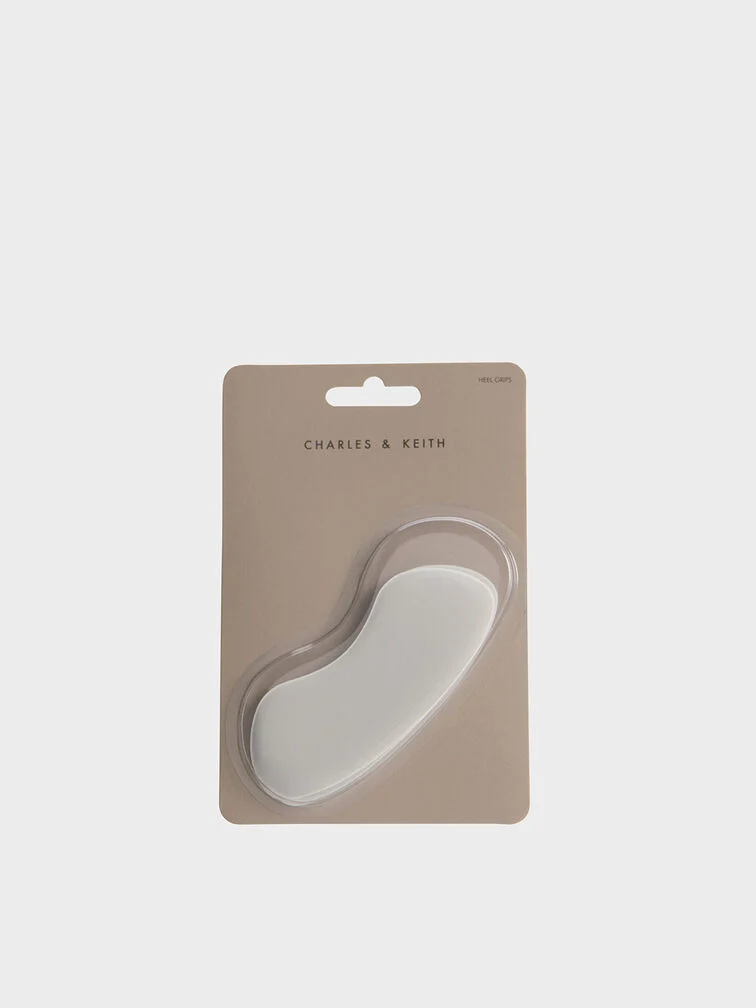
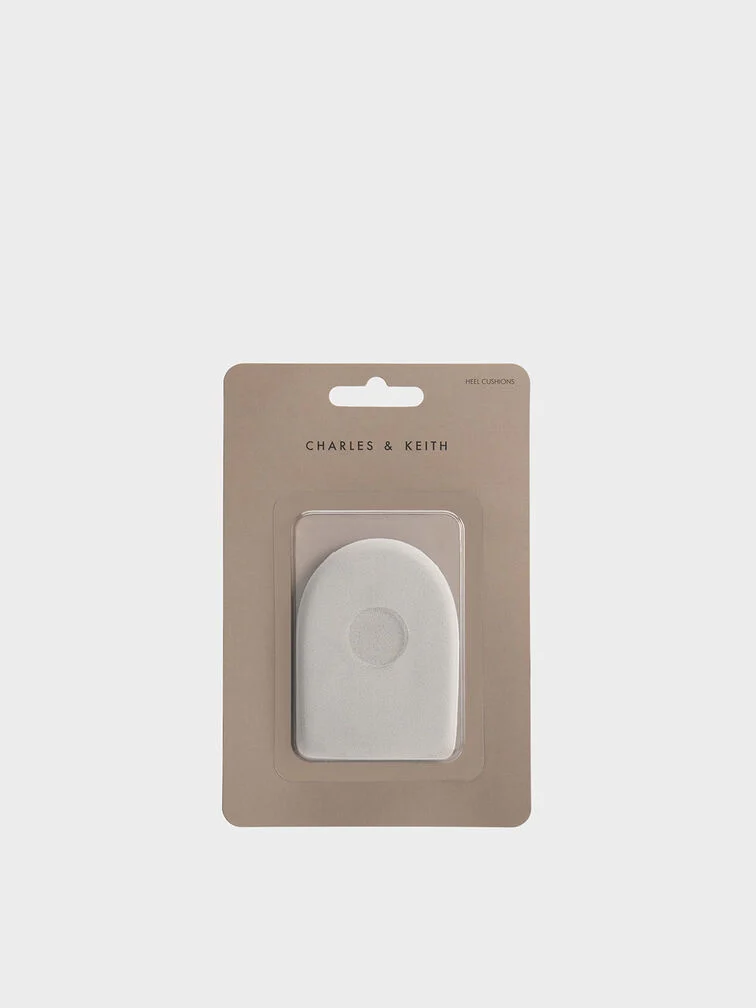

Too-large shoes that are always slipping off your feet may cause you to tense up different muscles to try and keep them in place — this can lead to strain and discomfort. Consider adding heel grips to the backs of the shoes or the tops of the toe boxes to improve fit and prevent your feet from sliding around as you walk.
For added cushioning, padded inserts or heel cushions placed under the balls of your feet can greatly reduce the pressure and absorb impact. 3/4 insoles, with a slim and tapered design, would fit neatly in most heels and provide cushioned arch support. If you’re prone to blisters, fabric plasters can prevent abrasion and rubbing while moleskin strips can be cut and customised to fit targeted areas. If your heels tend to slide easily on smooth surfaces, non-slip pads can be placed under the soles to increase traction.
Strengthen and Stretch the Right Muscles
Wearing heels require you to engage various muscles in your feet and legs. Consider doing simple exercises like ankle rolls, calf raises or calf stretches to develop the necessary muscle strength, tendon flexibility and balance skills. Even just a few minutes of simple stretching can make a huge difference in how your feet will feel in heels.
Step 3: How To Walk In Heels The Right (& Easy) Way
Posture
A good posture is key to walking comfortably and naturally in heels. Stand tall with your shoulders relaxed and pulled back, your chest open, and your core engaged — this helps to stabilise your body and ensure your weight is evenly distributed. Keep your head up and your gaze forward (as if an invisible string has been attached to the top of your head, pulling you upwards). Heels naturally tilt your body forward, so leaning back slightly can help to keep your form tall and upright. Focus on keeping your spine straight and your hips aligned — this small but impactful adjustment can help reduce the strain on your knees and lower back. Learn to trust your heels and practise putting your weight into them, even if it feels unnatural at first.
The Correct Stride
The correct stride is one that you take naturally while walking. Always try to walk heel to toe — place your heel down first, followed by the balls of your feet and the toes — along a single straight line. Take small steps and maintain a slow and steady pace. As you walk, ensure that your weight is evenly distributed between your two feet.
Resist the urge to look down, as doing this will only throw your balance off, making your walk wobbly and unsteady. Keep your gaze and eyes forward while maintaining a good posture. With time and practice, the strides you make while wearing heels will become more natural and confident.
Hip Movement
To achieve a nice and natural walk, a little hip sway where you move your hips slightly from side to side will make your walk look more elegant. Walk and lead from your hips — rather than your feet — and add a natural arm swing for counterbalance and stability. What you don’t want is to create an exaggerated model walk: don't cross your legs like models do when walking down the runway.
Walking on Different Surfaces
You cannot assume that you would always be wearing your heels on smooth, level ground. Once you’ve become more comfortable with wearing heels indoors, it is important to practise walking on different surfaces. This helps to build confidence and balance so you can walk comfortably and gracefully, wherever the day takes you.
- Hardwood or tile floors: Similar to most indoor settings, these surfaces are relatively smooth and easy to navigate. Focus on maintaining good posture and a natural heel-to-toe stride.
- Carpet: Softer surfaces may cause your heels to sink slightly, requiring subtle adjustments in your balance and weight distribution as you walk.
- Grass, cobblestones and uneven terrain: For outdoor settings, opt for wider heels, such as block heels or wedges, which offer greater stability. If you’re wearing stilettos, shift more of your weight towards the front of your foot to prevent the heel from sinking into the ground or getting caught in gaps and holes.
- Stairs: Whenever possible, use the railing for support. When walking up or down the stairs, lead with the balls of your feet to maintain better control and balance. When going down, place as much of the sole of your shoe as possible on each step before shifting your weight forward. Go slow and maintain a good posture.
Common Mistakes to Avoid
After going through all the technicalities of walking in heels, we want to highlight some of the common mistakes to avoid.
- Buying heels that don’t fit well. A bad fit is very often the cause of pain and discomfort when wearing heels.
- Prioritising style over comfort. While it may be tempting to wear heels that look good but do not feel good, doing so would be unwise as uncomfortable, ill-fitting shoes can lead to foot and back injuries.
- Wearing your heels immediately without breaking them in. Wearing your shoes around your home would give you ample time to identify potential issues — whether it’s a tight toe box, slipping heels, pinching or blister-prone areas — and address them.
- Insufficient practice and poor posture. When it comes to walking in heels, practice makes perfect. Keeping a good posture is also key to prevent foot-related injuries.
How to Ease Foot Pain Caused by High Heels
Sometimes, wearing heels is unavoidable, be it for work, special occasions or when the outfit calls for it. In these moments, proper preparation before wearing your heels and an effective after-care routine is crucial.
Preparation
Before stepping out, ensuring your heels are as comfortable as possible makes a huge difference.
- Ball-of-foot pain: Use heel cushions or padded inserts to provide extra cushioning and arch support, especially for heels with thinner soles. They help cushion the weight and reduce pressure on the forefoot.
- Heel slippage: Add heel grips or consider sizing adjustments to ensure a more secure fit.
- Ankle instability: Opt for styles with ankle straps for added support, and incorporate simple strengthening exercises to condition and strengthen the ankle muscles.
- Abrasions from new heels: Always be prepared — carry plasters with you or apply a protective layer of petroleum jelly on blister-prone areas.
After-Care Tips
After a long day or night in heels, give your feet ample time to recover.
- Rest: Switch to comfortable flats for the next few days, giving your feet sufficient downtime to recover from soreness.
- Soak your feet: A warm foot bath (about 15–20 minutes) helps relax tired muscles and reduce discomfort. Consider adding Epsom salts to the foot bath — it is a popular belief that this would further relieve aches and swelling, but results may vary.
- Stretch them out: Gentle stretches (e.g., stretching your calves and ankles) can help release tension and soreness.
- Use ice packs: If you experience inflammation or a burning sensation after prolonged wear, apply ice packs to help reduce swelling and soothe discomfort.
Frequently Asked Questions About Wearing Heels
How long does it take to learn to walk in heels?
The amount of time it takes for a person to learn how to walk comfortably and confidently in heels varies from one individual to the next. The general rule of thumb is that the higher the heel, the longer it takes to get used to them. Regular practice and proper techniques (as detailed in this guide) will help you master the art of walking in heels sooner rather than later.
How do I walk in heels on cobblestones?
Walking on cobblestones can be tricky, as the uneven terrain increases the risk of slipping or twisting your ankle. The key is to adjust your technique. Instead of your usual heel-to-toe stride, shift your weight slightly forward and walk more on the balls of your feet. Take small and controlled steps while staying light on your feet. Do be mindful of your footing — you will want to avoid striking the heels on the ground as this may cause them to get caught in the gaps. Whenever possible, choose heels with a wider base, such as block heels, for better balance and stability.
Why do I wobble in heels?
There are several reasons why you might feel wobbly when walking in heels. One of the most common reasons could simply be a lack of experience — if you’re not used to wearing heels, your body needs time to adjust to the new posture and movement. Poor posture could also be another reason. Without a good posture and the right muscle engagement, it becomes difficult to find a new centre of balance to stabilise your movements. In addition, wearing heels that don’t fit well — whether too loose, too tight or not suited to your foot type — can significantly affect your balance.
That said, even seasoned heel wearers can find certain heel styles incredibly challenging. For instance, slim, sky-high stilettos concentrate your body weight onto a very small surface area, which requires greater control and precision with every step. In other cases, poorly designed heels can feel unstable and wobbly, regardless of your experience level.
We hope that this guide would help you to walk confidently and comfortably in heels. While technique plays an important role, choosing the right pair — with the proper fit — remains the most important element. If you practise regularly, keep a good posture and stick to the proper techniques, we are sure it would not be long before you master the art of wearing heels. For those starting out on your heel-wearing journey, take your time to explore different heel styles on our website and gradually build your confidence by applying the tips shared in this article.