


A Complete Guide to Wedding Dress Codes
Published on 05/01/2026Wedding dress codes are meant to guide guests on what to wear and how to dress, but they have become somewhat tricky to interpret. This is because fashion, in itself, is highly personal and subjective — different people will naturally have different ideas on what a smart-casual outfit should look like. Influences such as culture and weather also play a role. For instance, a semi-formal wedding ensemble in the summer will not look the same as one in winter.
Moreover, traditional dress codes have given way to modern, creative ones. From garden party to island elegance, these vague, ambiguous themes add an extra layer of uncertainty to what you are expected to wear on one of the biggest days of someone’s life.
While all of the above may sound daunting, this guide will help you break down and decode some of the most common wedding dress codes — and a couple of the less conventional ones. It will also show you what to wear and how to style your look, with a focus on bags and shoes, to help you eliminate any outfit anxiety you might feel when it’s your turn to RSVP.
Understanding Wedding Dress Codes
Why Wedding Dress Codes Exist
You will be hard-pressed to find a wedding invitation without a dress code these days. As weddings become increasingly personalised and diverse in themes, dress codes provide helpful guidelines for guests to follow. They help guests feel confident about their sartorial choices and ensure they are neither underdressed nor overdressed.
Beyond clearing up any outfit-related confusion, many couples include a dress code to set the tone for the celebration. When everyone follows it closely, the overall mood and theme are elevated, enhancing the ambience of the entire event. Moreover, the cohesive aesthetic makes for striking photos — an important consideration for many couples in today’s visually driven world.
Key Factors That Influence Dress Codes
Wedding dress codes are shaped by a variety of considerations. They include, but are not limited to:
Venue. The location often sets the tone for how formal a wedding should be. For instance, a grand hotel ballroom would naturally call for more glamorous attire, while a beach wedding encourages something more relaxed and understated.
Time of day. Whether the ceremony takes place during the day or at night can influence the dress code significantly. Evening weddings tend to be more formal, often calling for richer fabrics and darker colours. Lighter colours and breezier materials may feel out of place after dark, but they are perfectly suitable for daytime celebrations.
Season and weather. In the warmer spring and summer months, dress codes typically lean toward light, relaxed styles, with pastel tones being especially popular. You can learn more about what to wear and how to style your outfit for a wedding in spring here.
During fall and winter, cosier and more intimate dress codes prevail, featuring richer fabrics and deep jewel tones.
Culture or religion. Cultural and religious wedding ceremonies may dictate specific attire or modesty requirements. For instance, Indian weddings often call for traditional clothing, such as sarees or lehengas, while church weddings generally favour modest outfits that cover the shoulders and knees.
In the absence of a clearly stated dress code, these considerations serve as useful reference points in deciding what would be appropriate to wear to a wedding.
Common Dress Codes, Explained
In this section, we will break down the dress codes in order of formality, from the most formal to the least.
White Tie
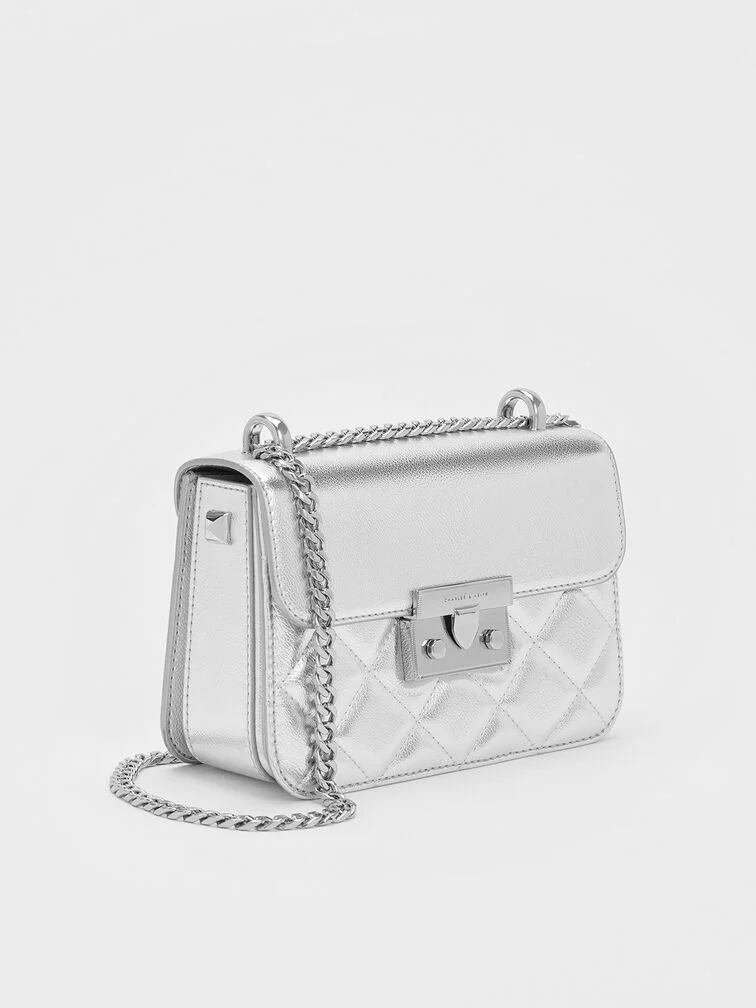
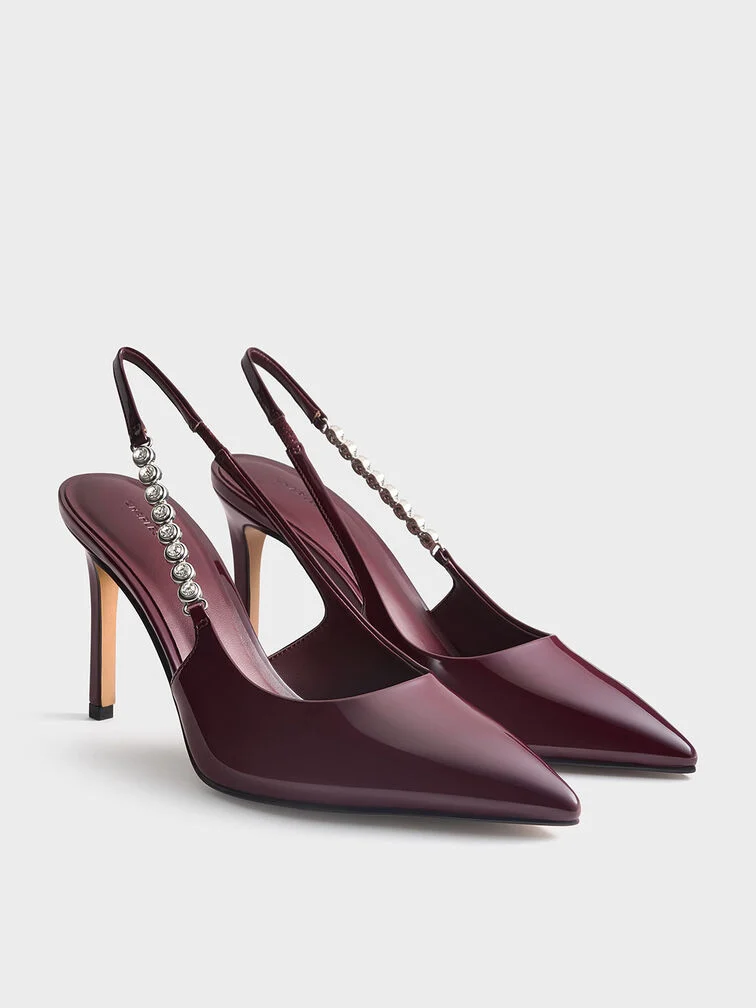
In the 19th century, the white bow tie became a mandatory component of the Western men’s formal evening wear. Symbolic of the highest level of formality — worn to royal banquets, state dinners and balls — the tie’s colour eventually came to define and differentiate the dress code itself.
As formal as it gets, full-length of floor-length gowns are warranted for a white-tie wedding. When in doubt, opt for classic silhouettes in sophisticated neutral tones, choosing luxurious fabrics to add a touch of glamour. Tall stiletto heels pair beautifully with these gowns, lifting the hem just enough to create a flattering fit. Complete the look with a compact, structured top-handle bag that will perfectly complement the white-tie theme with its polished elegance.
Don’t hesitate to bring out your most exquisite jewellery — this is one of the few occasions where it is truly appropriate. However, keep the designs refined and understated so as not to outshine the bride.
Black-Tie
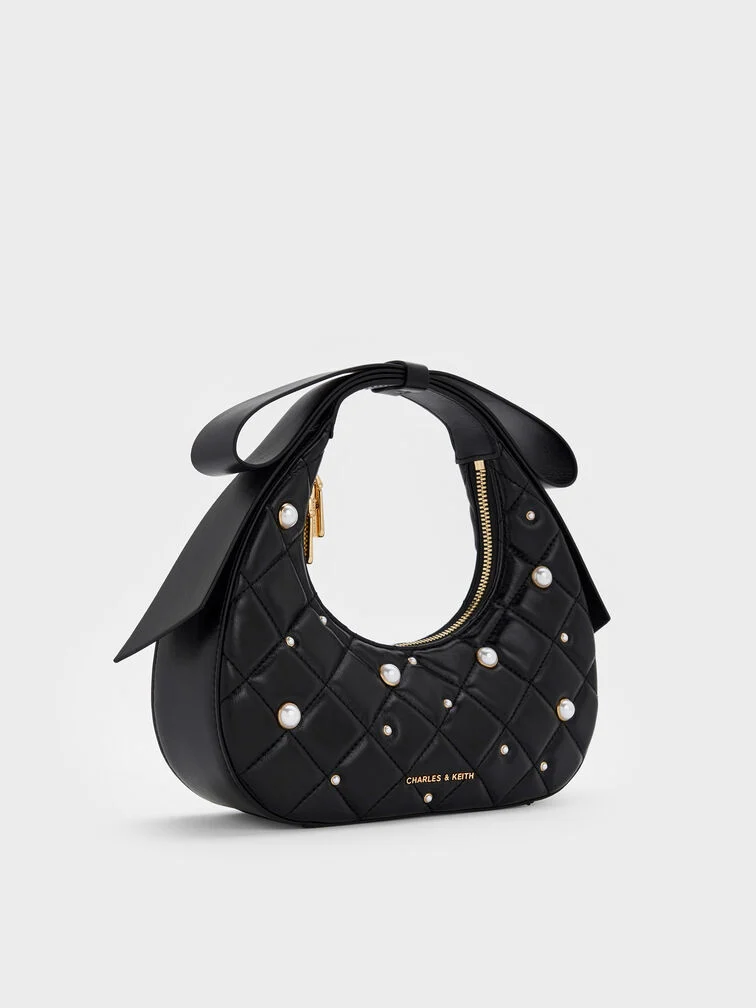
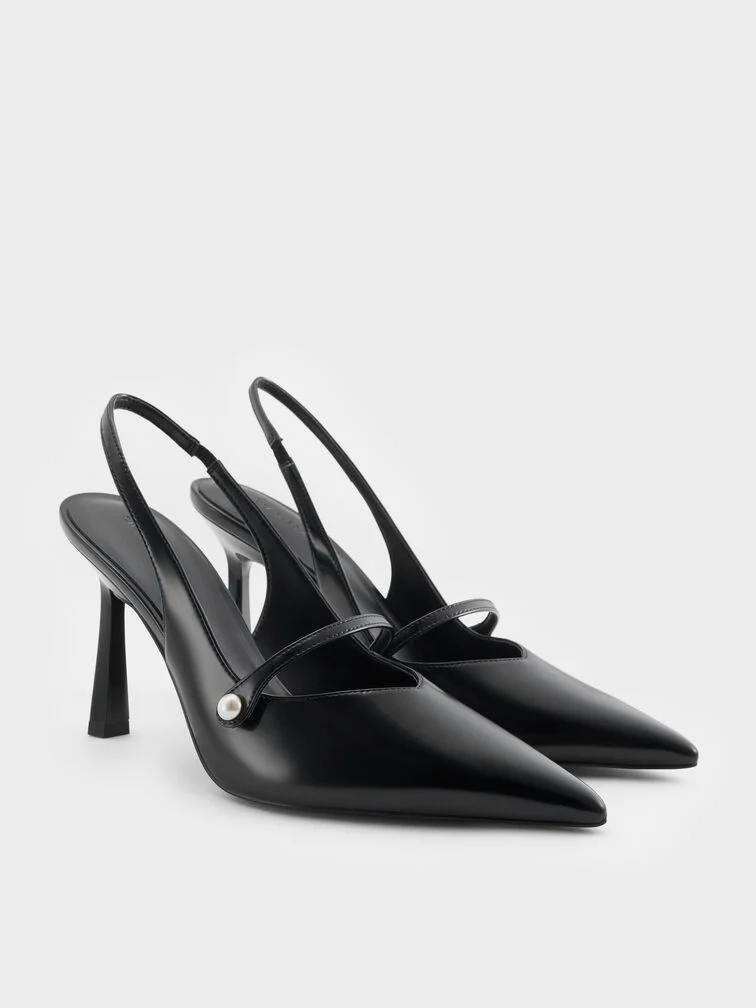
Black-tie was introduced after white tie as a way to distinguish different levels of formality. It is considered a semi-formal dress code and is popular among modern couples due to its more relaxed expectations.
At a black-tie wedding, full-length dresses are still preferred. However, sophisticated cocktail dresses or elegant pantsuits can also be appropriate. Depending on the theme, bold colours, prints and patterns are more welcome compared to a white-tie affair. By this principle, you have a little more freedom to be playful with your accessories. For instance, a bow top-handle bag will add a chic flair to your look while still maintaining the level of formality the occasion calls for. As with white tie, tall heels are recommended to lift the hem slightly.
Where jewellery is concerned, statement pieces such as diamond drop earrings or oversized chunky rings make fun yet elegant additions. Check out our ultimate guide to decoding the black-tie wedding dress code for more insightful styling tips and suggestions.
Black-Tie Optional
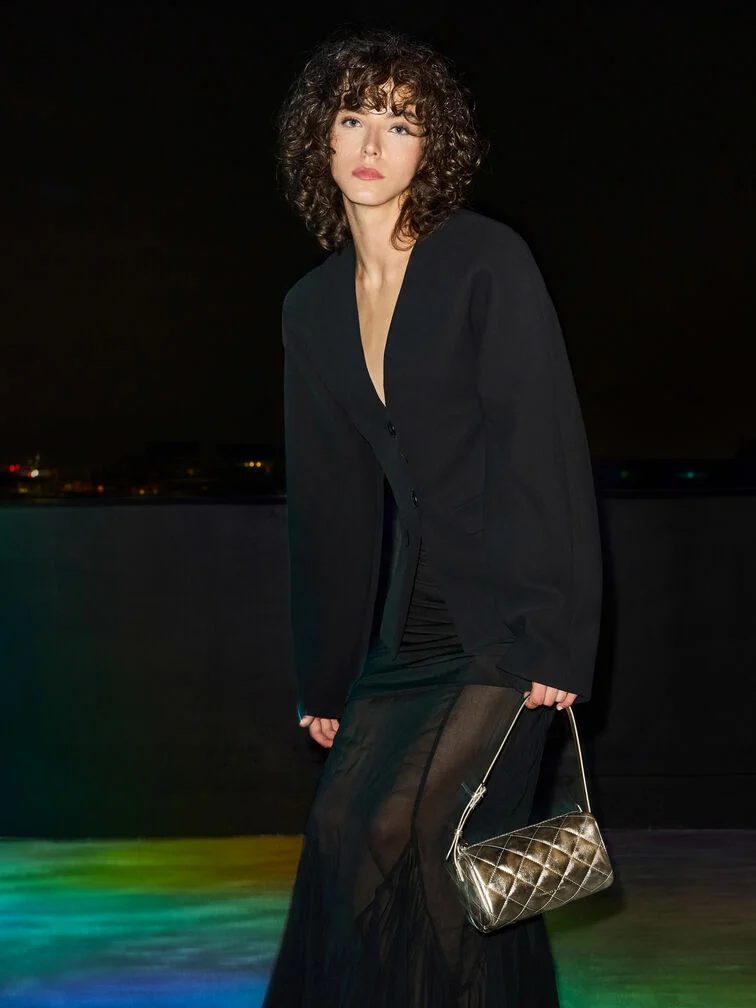
Black-tie optional is slightly less formal than black-tie. While the ambiguity of this dress code can be confusing, you can use contextual clues to guide your outfit choices. For instance, an evening wedding typically calls for a more formal interpretation of the dress code, while a daytime or outdoor wedding allows for greater flexibility — think shorter hemlines, brighter colours and less conservative cuts.
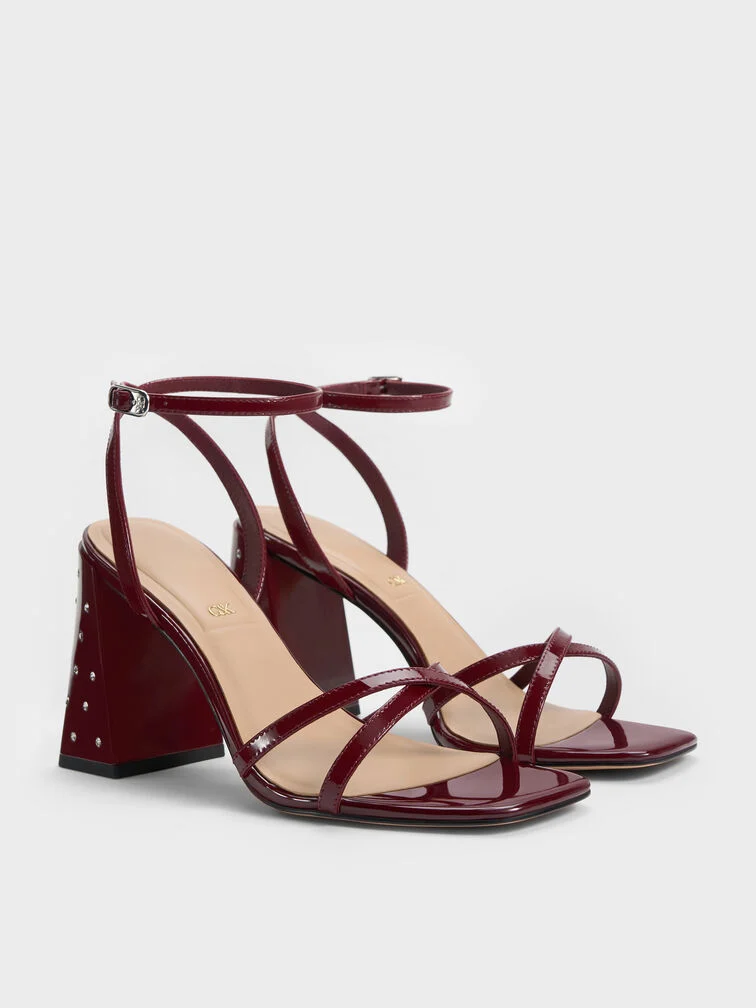

If you choose to take the less formal route, mid-height block heels are the perfect complement. They offer a flattering lift without sacrificing comfort. Open-toe styles are suitable as well, though it's always wise to have your pedicure done. Complete the look with a mini bag crafted from luxurious fabrics and adorned with rich details to add an elevated finishing touch.
Cocktail
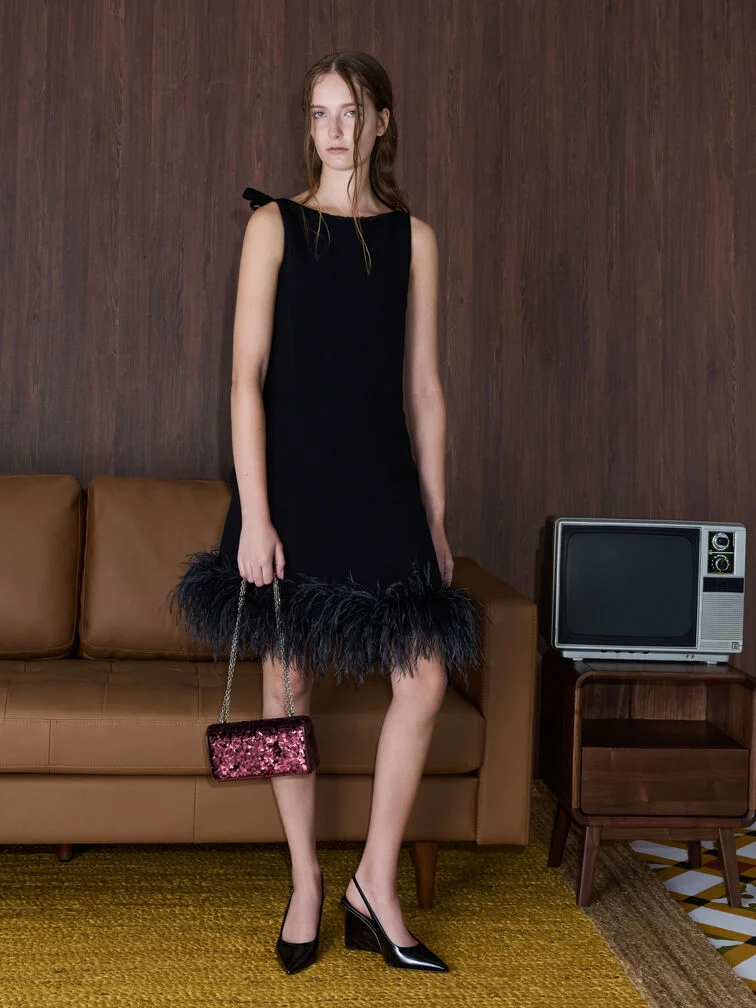
Don’t overthink the cocktail dress code — it’s all about having fun with your outfit. Any fashionable mini to midi dress that feels elevated is perfect for a cocktail wedding. Bring your personality to the celebration by adopting fun prints, vibrant colours or interesting silhouettes. Just remember that balance is key: you will want to look elegant without appearing overly casual or dramatically attention-seeking.
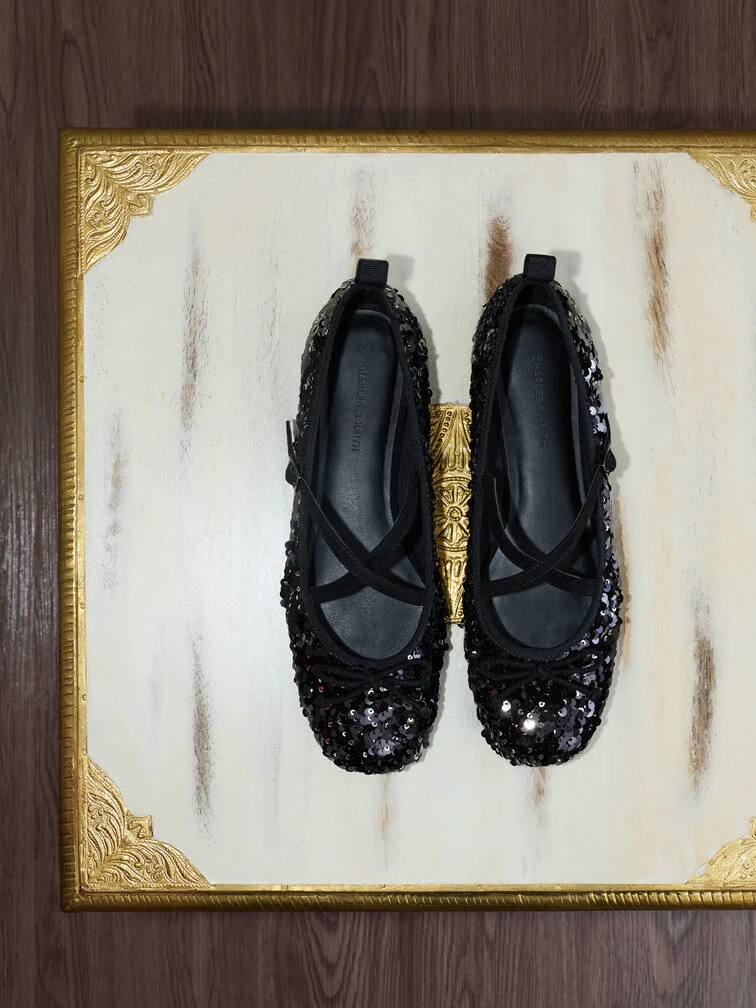
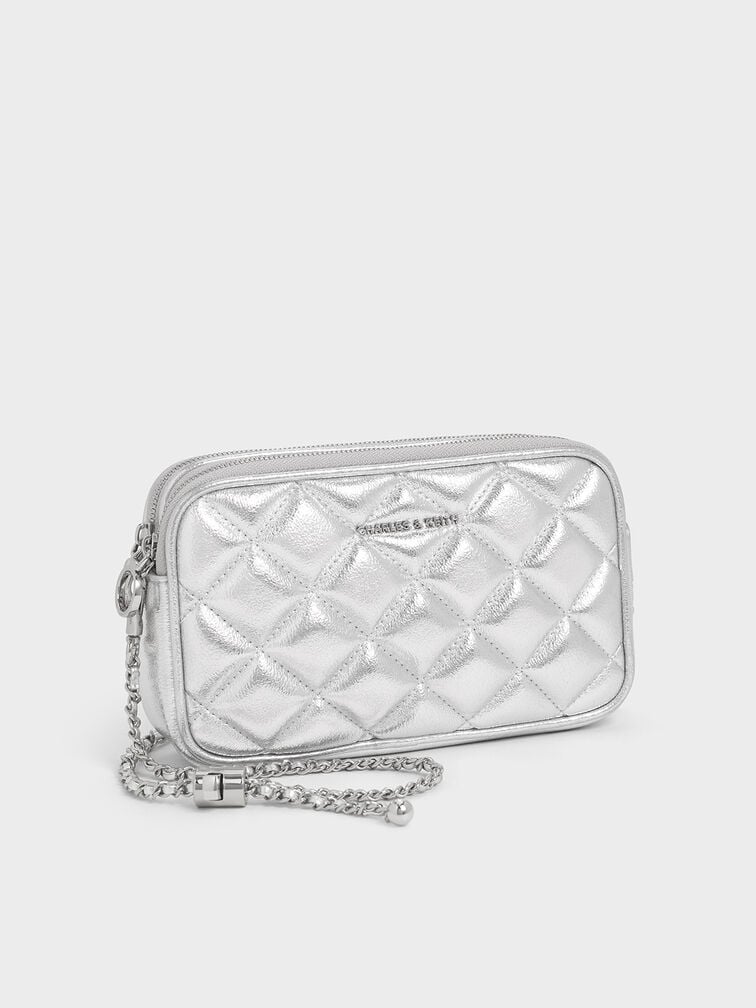
Chic flats are perfectly acceptable for a cocktail dress code. If you are worried they may look too casual, choose a pair embellished with elevated details, such as sparkly sequins. A compact crossbody bag is always a safe choice; metallic silver, in particular, adds a polished touch that never feels too casual for a wedding. As for jewellery, anything that complements your outfit goes.
Dressy Casual
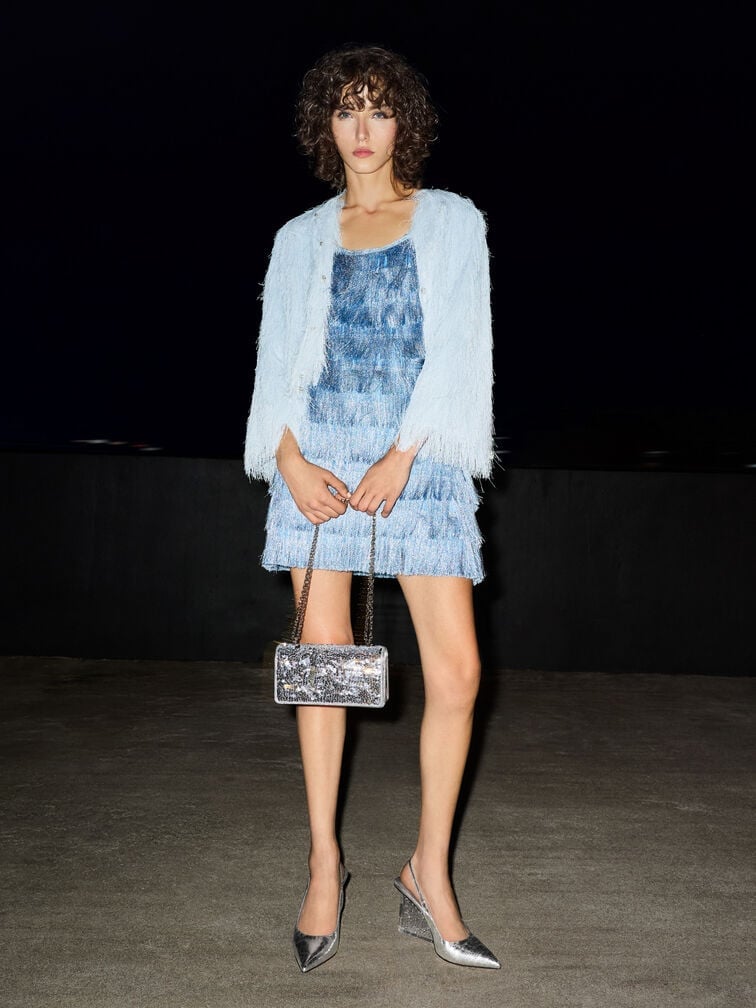
Dressy casual takes the formality down another notch from cocktail attire. As a rule of thumb, you can take outfits you already wear on a day-to-day basis and elevate them with accessories to transform them into wedding-appropriate looks. For instance, instead of pairing a flowy maxi dress with casual flats, switch to a pair of elegant heels and it will fit right into a dressy-casual wedding. Skirts, which can appear more casual than dresses, are also perfectly suitable when styled with the right top.
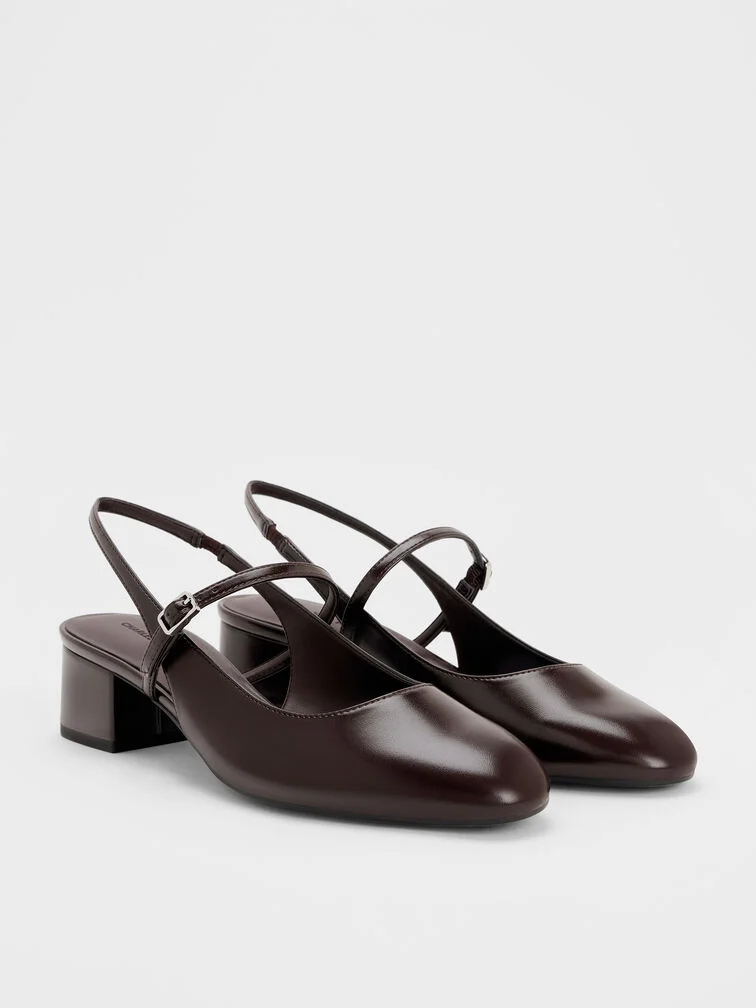
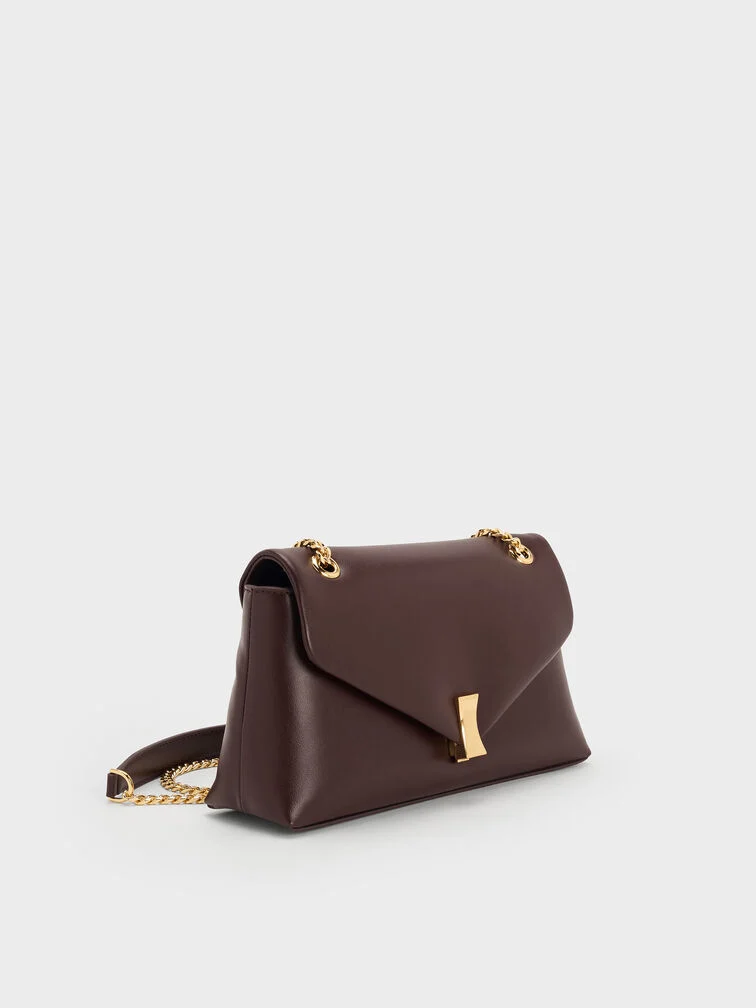
Low block heels offer just the right amount of lift for instant style elevation while keeping you comfortable throughout the celebration. An elevated everyday bag that is chic and compact enough for the setting can also be used for dressy-casual weddings. At the end of the day, couples choose this dress code because they do not want guests to go to the expense of buying new clothing and accessories for a single event.
Casual

A casual wedding dress code is the most relaxed of all, but that does not mean anything goes. While you can lean into comfort, steer clear of T-shirts, ripped jeans, flip-flops and athletic wear. Sundress, skirts and jumpsuits all work beautifully — simply elevate them with thoughtful styling, such as accessorising with a statement necklace or an eye-catching shoulder bag.
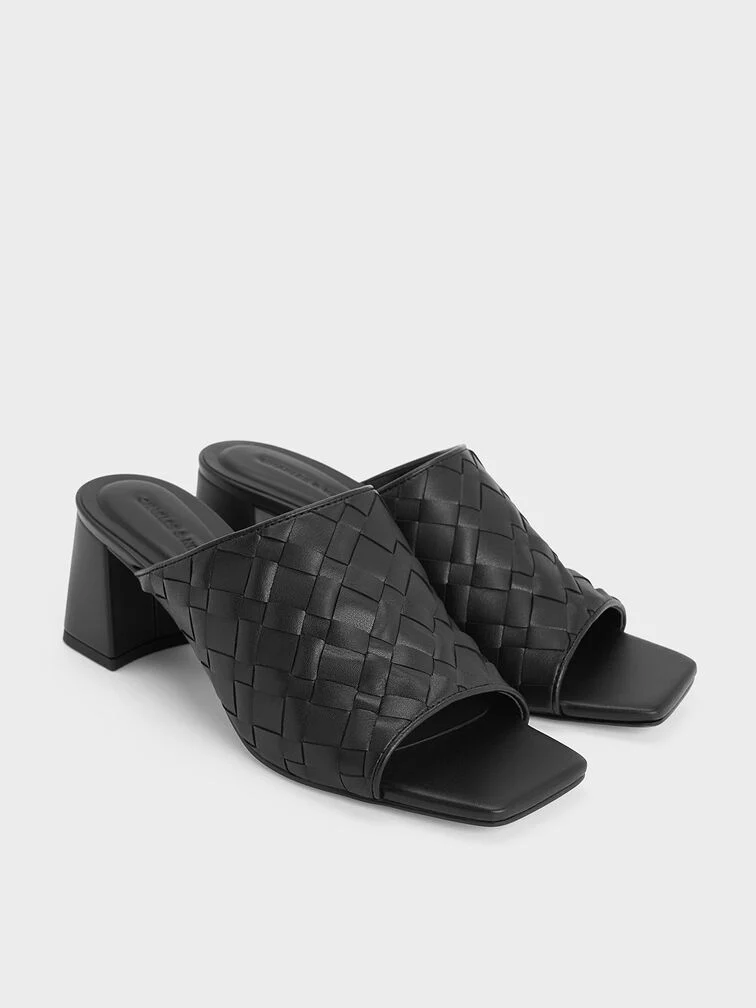
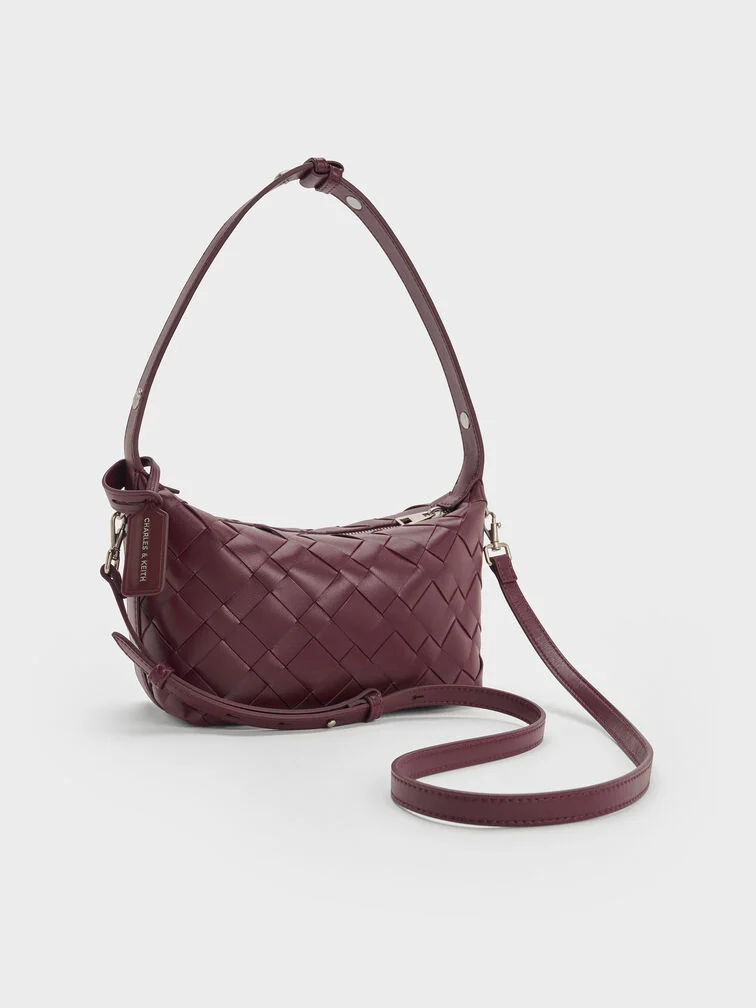
Footwear should feel comfortable yet intentional — and casual weddings are one of the rare special occasions where open-toe slip-on styles are welcome. By coordinating your bags and shoes, you can quickly and effortlessly tie your look together with a chic finish. Ultimately, the goal is to appear neatly dressed and put together without the formality of cocktail attire.
Beach Wedding
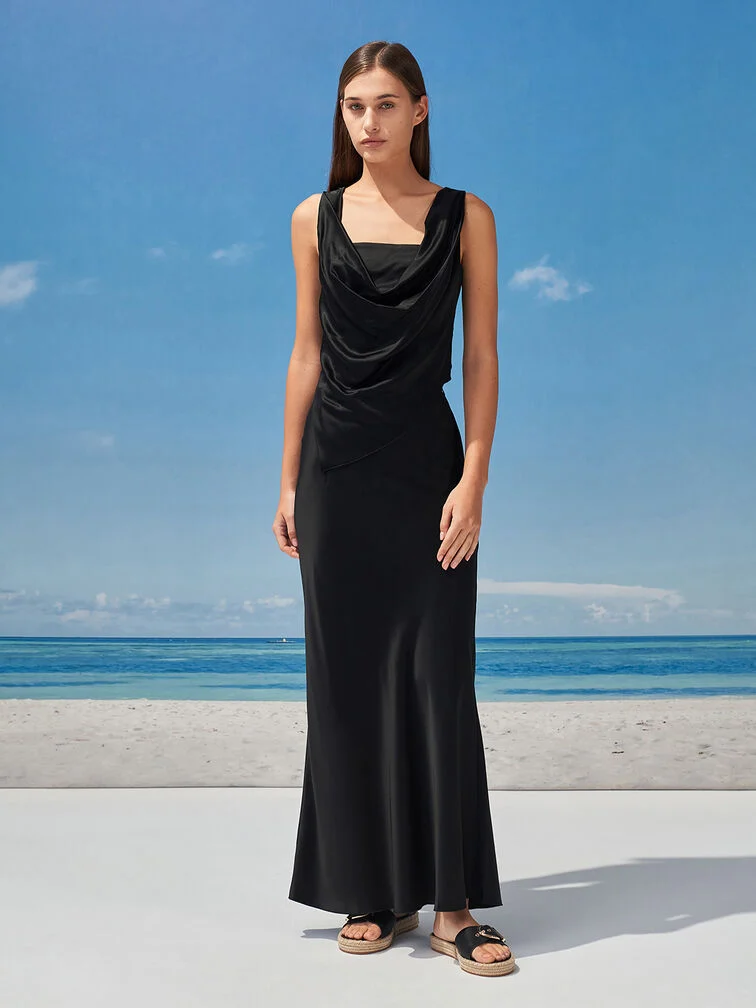
The dress code for beach weddings can vary from casual to formal. However, due to the tropical nature of these seaside nuptials, lightweight and breathable clothing are usually the first-choice pick. Casual options include sundresses and rompers, while more formal choices comprise cocktail dresses made from delicate satin.

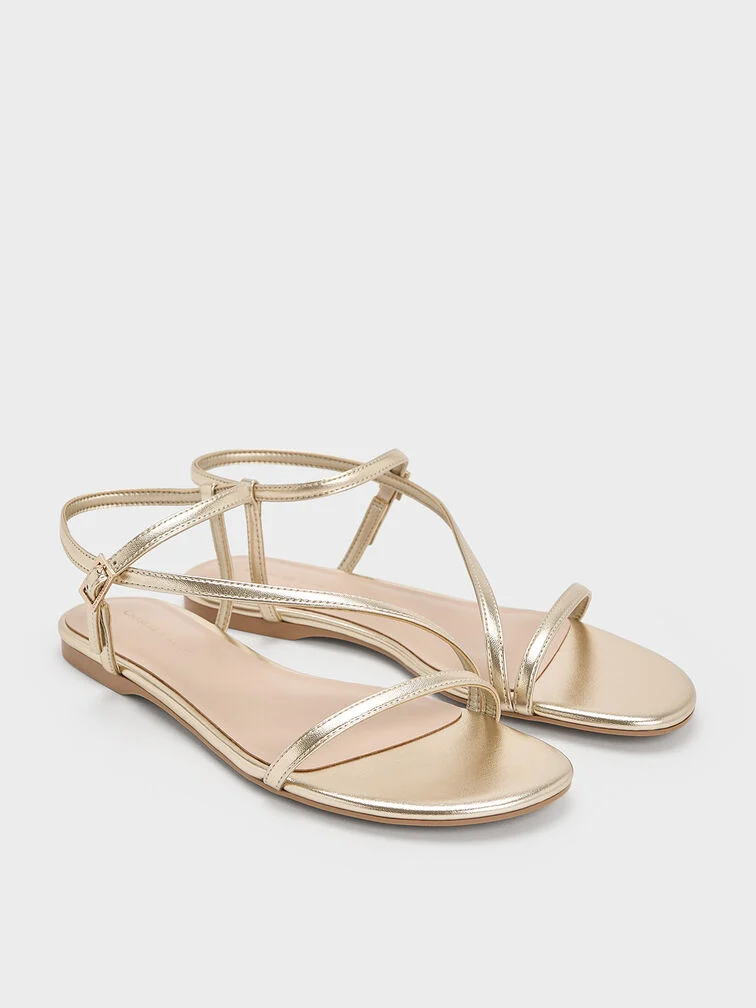
Reach for rattan, straw or woven top-handle bags that mirror the relaxed yet elegant vibe of beachside celebrations. Finish the look with strappy flat sandals — one of the most practical footwear options for the sand. Their flat soles make walking easier, while the openwork design is simple to clean and helps keep the sand off your feet.
Garden Party

Garden party weddings typically take place on lawns, in parks or across scenic vineyards. They are slightly more formal than beachside weddings but still maintain a relaxed, easy-going ambience. The most natural sartorial choice for such open-air celebrations is a floral-print dress — it will never look out of place against a backdrop of greenery. Alternatively, take inspiration from the surrounding hues of the open-air setting and match the vibe with a casually elegant frock, such as a light-blue one-shoulder toga dress reminiscent of clear, sunny skies.
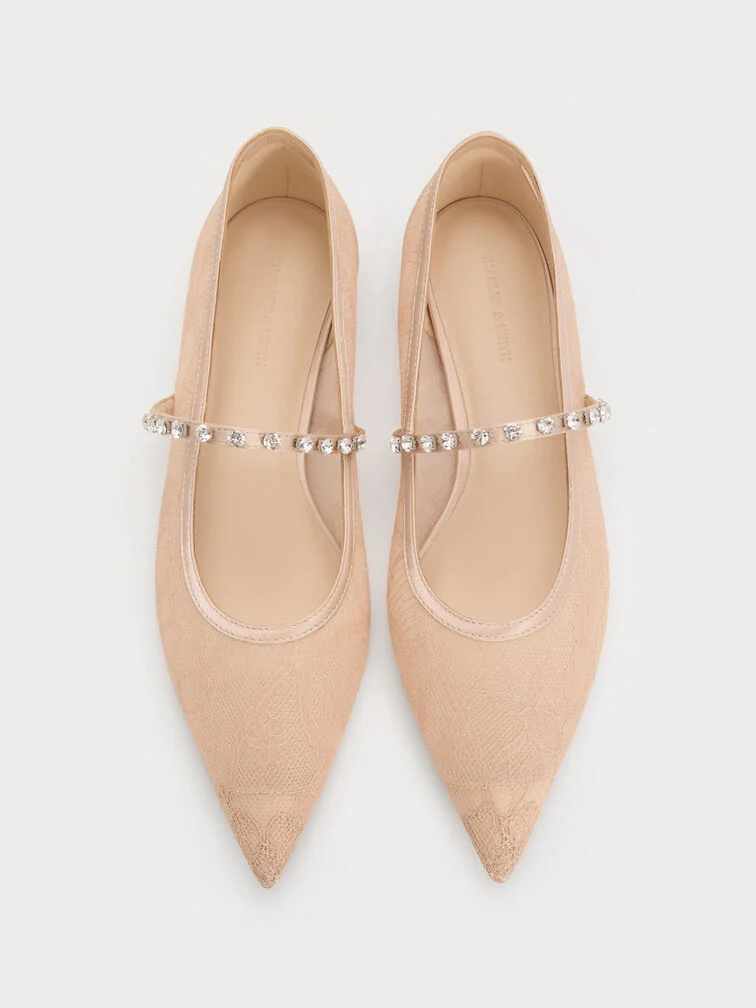
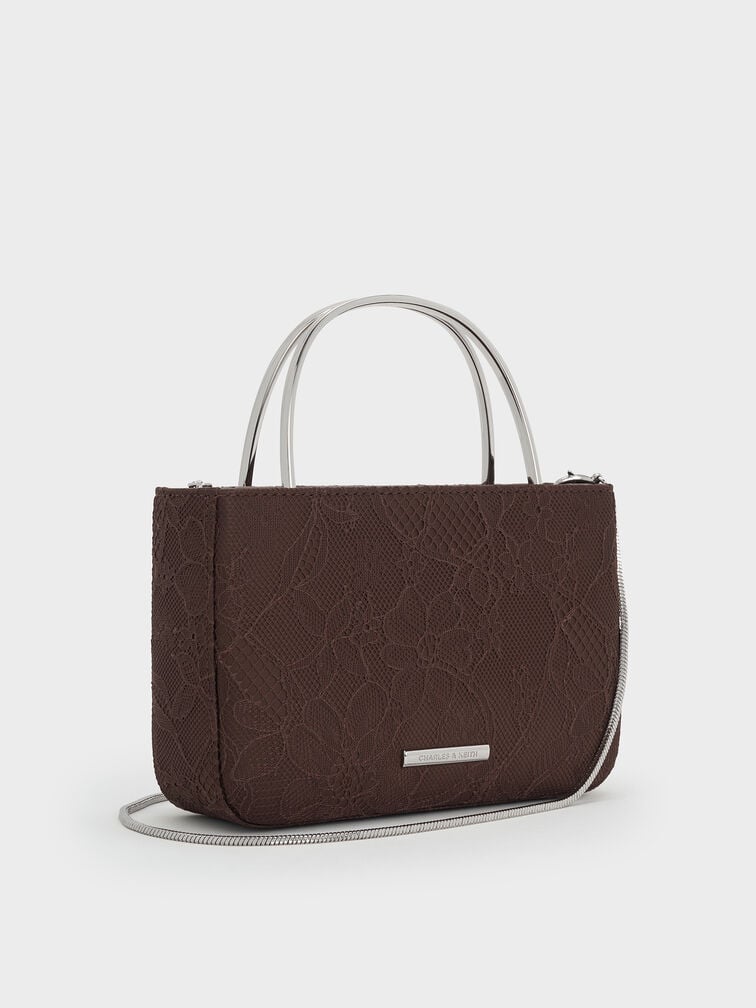
Given the often-maximalist nature of garden-party attire, it’s wise to keep accessories simple. Neutral-toned flats that strike the perfect balance between chic and comfortable are practical; unlike kitten or stiletto heels, they won’t sink into the grass. A classic, structured top-handle bag is a foolproof choice as well — it will ground any outfit with elegance and a touch of polish.
Cultural/Religious Ceremonies
For cultural or religious weddings, dress codes can vary widely. It is the wedding guest’s due diligence to research the couple’s cultural background and to understand what would be considered appropriate attire.
For instance, at Chinese weddings, guests should generally avoid white and black as these colours can symbolise morning. At Indian weddings, bright and colourful traditional attire like lehengas and sarees is typically expected. Vibrant hues and elaborate designs help you blend in with the joyous atmosphere, while overly formal Western outfits may look out of place.
At church weddings, modesty is preferred — showing respect by covering your knees and shoulders is customary.
Ultimately, taking time to understand the wedding’s tradition and expectations ensures you arrive appropriately dressed and respectful of the cultural significance of the occasion.
Additional Accessorising Tips for Wedding Guests
Handbag Recommendations
For both formal and casual weddings, small bags are a wise choice. They keep your essentials close while offering ease of movement so you can fully enjoy the celebrations. Always choose a design that matches the formality of the event, such as embellished or metallic clutches for black-tie occasions, and raffia or canvas finishes for casual outdoor parties. Make sure your bag complements your outfit as well — aim to strike a balance by pairing bolder dress with simpler bags and vice versa. This restraint helps maintain polished elegance.
Shoe Recommendations
When it comes to shoes, comfort is always of the utmost importance. Weddings involve plenty of standing, mingling and dancing, so choose a footwear that supports you throughout the event. As a rule of thumb, opt for stilettos for formal black-tie, mid-height heels for semi-formal dress codes, and dressy flats or sandals for casual settings. If you are planning to wear flats and worry they might appear too casual, choose a pair adorned with elegant details or made from luxurious materials. Never wear rubber flip-flops and avoid sneakers as much as possible.
Common Mistakes to Avoid When Dressing for Weddings
Wearing bridal colours. Modern brides most commonly wear white, so it is best to avoid any shade of white altogether. In some cultures or regions, brides may wear other specific colours, so it is important to a little research beforehand and steer clear of those hues as well. If you know what the bridal party will be wearing, try to avoid clashing with their colours.
Underdressing or overdressing. As a guest, your main responsibility is to dress appropriately for the occasion. Always follow the couple’s dress code closely If no dress code is provided, consider the venue, time of day and the season and weather to decide what to wear. When in doubt, it is better to be slightly overdressed than underdressed.
Wearing anything too revealing. Even on an ordinary day, revealing outfits can be considered a fashion misstep — and even more so at a wedding. The bride is the star of the show, and your attire should respect that. Err on the side of caution and opt for classic, conversative cuts and silhouettes.
Wearing uncomfortable shoes. If you plan to wear new shoes, always break them in to ensure they can withstand hours of wear. Uncomfortable footwear will distract you from the moment, and the last thing you want is to leave early and disappoint the happy couple.
Not doing research. While the dress code sets the general expectations, factors such as the venue, season and weather can influence what is appropriate. Always consider the location and time of year when planning your outfit.
Wearing anything too loud or flashy. A voluminous tulle gown will draw attention away from the couple, even if unintentionally. You should never upstage the bride or overshadow the event. Chose understated looks that strike a respectful balance.
In conclusion, always do your due diligence as a wedding guest by researching the venue, weather, and any cultural or religious backgrounds of the happy couple to help guide your outfit choice. This ensures you are less likely to commit a fashion faux pas and allows you to confidently — and comfortably — take part in the merrymaking.
We hope this guide has helped you gain a clearer understanding of the various wedding dress codes and how to navigate them. Browse and shop our thoughtfully curated edit for wedding guests, and put your new knowledge to immediate use for the upcoming wedding season.